
Cavity Treatment
At our clinic, we provide comprehensive cavity treatment in Los Angeles at every stage, covering every stage of tooth decay from early enamel changes to advanced cases requiring root canal therapy. Our approach focuses on preserving natural tooth structure, restoring function, and ensuring long-term oral health through precise, modern care.
Years of Practice
Happy Patients
Star Reviews
Advanced Treatment Technologies
We focus on catching issues early, treating them precisely, and helping you keep your natural smile for years to come.
Why Choose Our Clinic for Cavity Treatment in Los Angeles
All treatments are performed by skilled dentists trained in modern techniques and evidence-based cavity treatment methods.
With international experience, we tailor every cavity treatment plan to the patient’s condition, goals, and long-term oral health.
We stand behind our work and offer warranties on treatments, materials, and long-term outcomes.
We use modern dental equipment to guarantee precise diagnosis, efficient treatment, and a comfortable patient experience.
Cavity Treatment Options

Cavity Treatment Options
For mild to moderate cavities, we remove damaged tissue and restore the tooth using durable, natural-looking materials.
What this involves:
- Removal of decayed tissue
- Careful shaping of the cavity
- Placement of tooth-colored composite material
- Sculpting and polishing for a natural finish
Benefits:
- Removal of decayed tissue
- Preserves healthy tooth structure
- Restores function and appearance
- Prevents further decay
- Blends seamlessly with natural teeth
When infection reaches the pulp, root canal treatment is required to save the tooth.
What this involves:
- Removal of infected or necrotic tissue
- Cleaning and disinfection of root canals
- Sealing of canals to prevent reinfection
- Final restoration with a filling or crown
When it’s needed:
- Deep decay reaching the nerve
- Tooth infection or inflammation
- Abscess or advanced bacterial damage
When decay approaches the inner layer of the tooth, additional steps are taken to protect the nerve.
What this involves:
- Application of protective liners
- Use of specialized materials to support tooth vitality
- Careful restoration to prevent further damage
In cases where the tooth cannot be preserved, we recommend tooth extraction to protect overall oral health.
Our approach:
- Conservative decision-making
- Gentle, controlled procedure
- Guidance on replacement options (implant, bridge, etc.)’’
You’ll Be in Good Hands

Dr Susanna Gukasov is a General Dentist and is a member of American Dental Association, California Dental Association, San Fernando Valley Dental Society, and USC Dental Alumni. Her favorite part about practicing dentistry is having the opportunity to provide a caring and comfortable experience for all of her patients. She looks forward to providing you with compassionate and excellent care
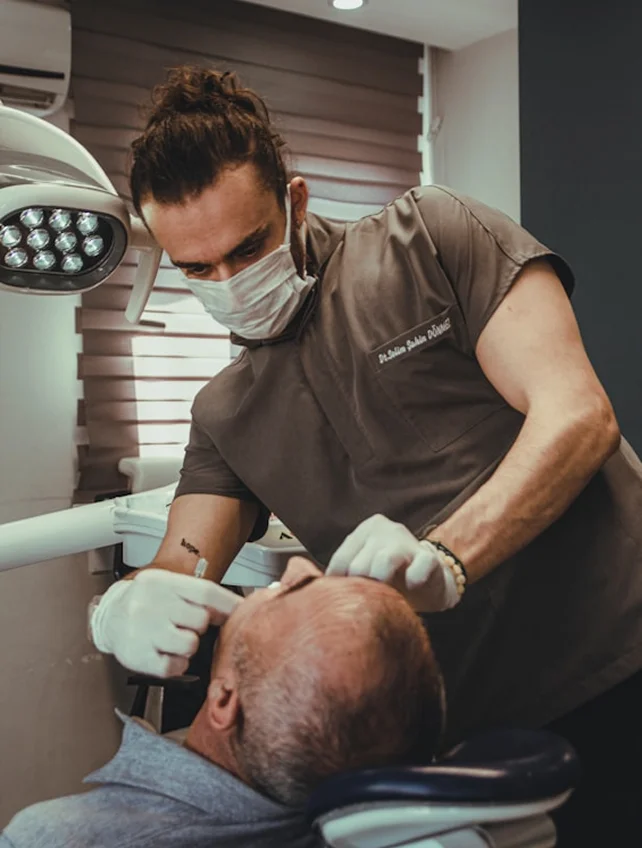
Specializes in prosthodontics and surgical periodontology. Member of American Dental Association, California Dental Association, San Fernando Valley Dental Society, USC Dental Alumni

Specializes in cosmetic dentistry. Member of American Dental Association, California Dental Association, San Fernando Valley Dental Society, USC Dental Alumni
Know the Signs Early and Understand Why Timing Matters
- Tooth sensitivity to hot, cold, or sweets Discomfort or sharp reactions when consuming temperature extremes or sugary foods
- Visible dark spots or holes in teeth Early signs of enamel breakdown or cavity formation that should be evaluated promptly
- Pain when biting or chewing Pressure-related discomfort that may indicate deeper structural damage
- Persistent toothache or discomfort Ongoing pain that can signal advancing decay or infection
- Rough or chipped areas on the tooth surface Changes in texture that may reflect enamel erosion or cavity development
- Food frequently getting stuck in the same area A common sign of structural changes or developing cavities between teeth
- Bad breath or unpleasant taste Bacterial buildup associated with untreated decay
- Prevent further tooth decay Early intervention stops progression and preserves healthy tooth structure
- Avoid complications Untreated cavities can lead to pulpitis, periodontitis, abscesses, and jaw infections
- Maintain tooth function Healthy teeth support proper chewing and overall oral balance
- Preserve aesthetics Tooth damage can affect the appearance of your smile
- Prevent tooth loss Advanced decay may require extraction if left untreated
- Reduce long-term costs Early treatment is typically simpler and more affordable
- Improve quality of life Eliminates discomfort, sensitivity, and pain

Front Desk
Your Visit Starts Here

Waiting Room
Settle In Before Your Visit
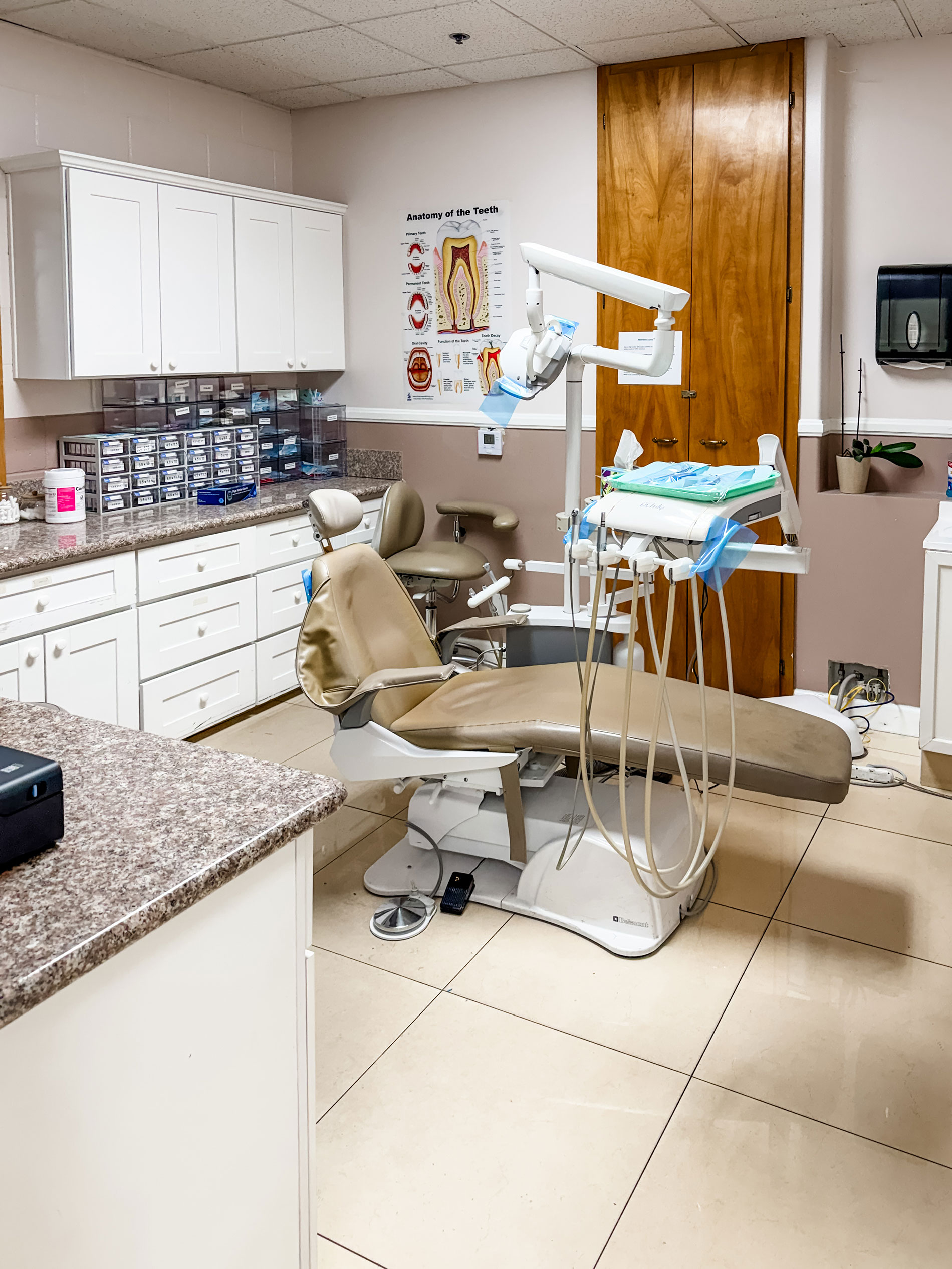
Treatment Area
Clean, Modern Treatment Rooms
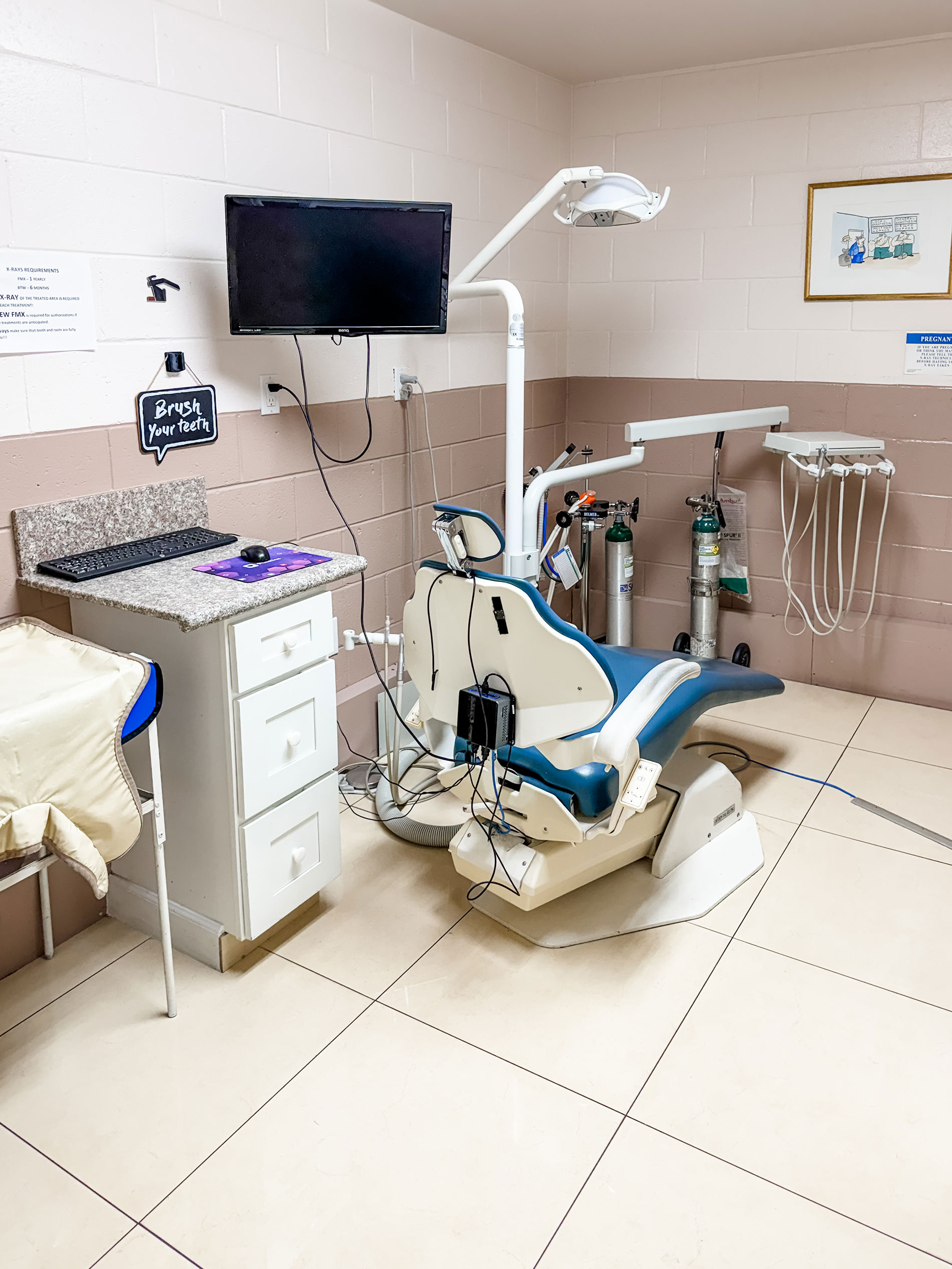
X-Ray Room
Clear Answers, Right Away
Step Inside Our Clinic
Our clinic reflects how we approach care: modern and professional, yet easy to feel comfortable in from the moment you walk in.
What Our Patients Say
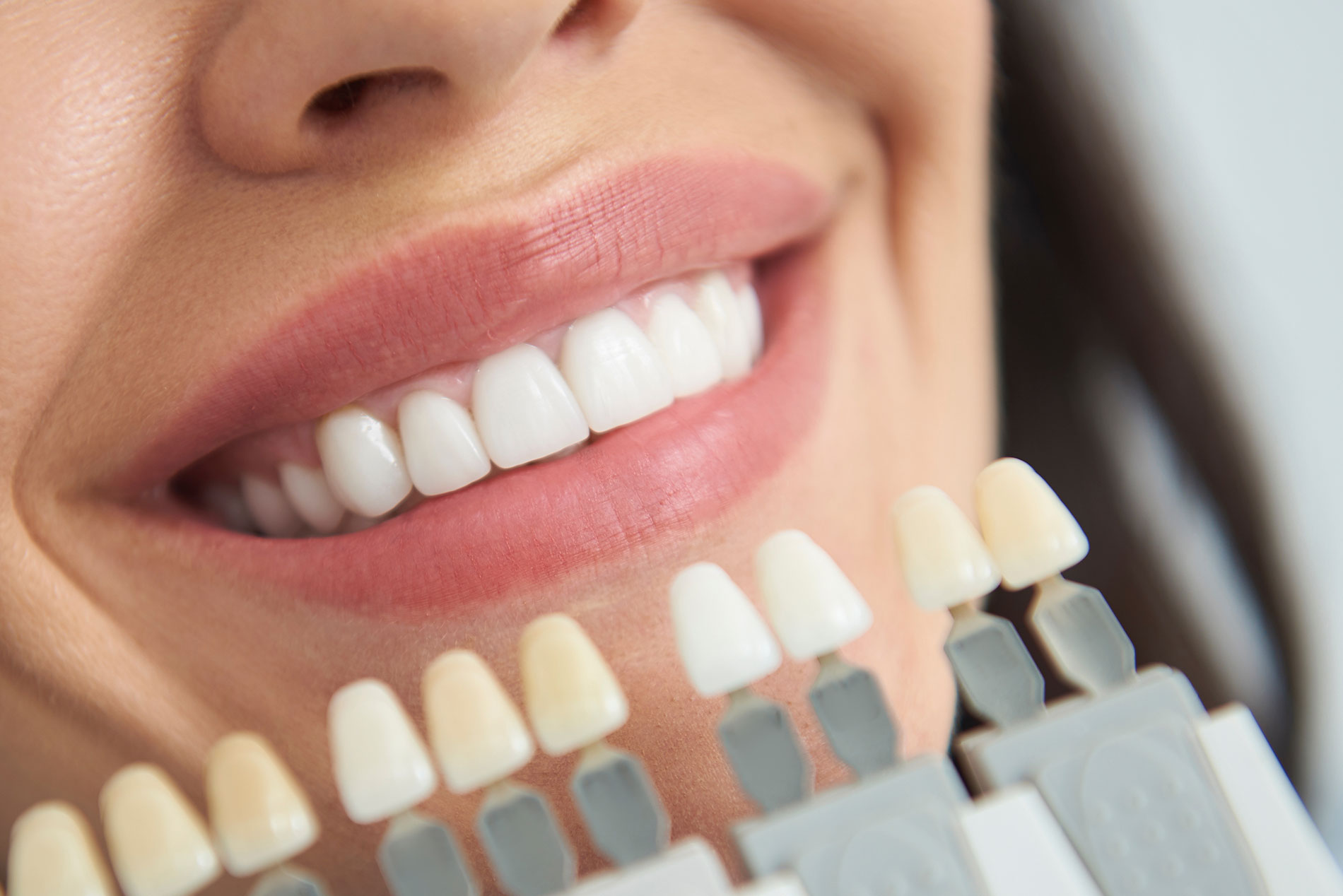
- #Cavity Treatment
- #General Dentistry
A cavity doesn’t go from nothing to pain overnight. It moves slowly, layer by layer, often without any clear warning at first. ...

- #Dentistry History
A trip to the dentist today looks nothing like it did thousands — or even a few hundred — years ago. Modern dentistry is built on ...

- #Dentistry History
- #Dentures
Replacing missing teeth isn’t a modern idea — people have been trying to solve that problem for thousands of years. What’s changed ...

Periodontitis isn’t something that shows up overnight. It develops gradually, often starting with something as simple as plaque ...