
The History of Dentures

- #Dentistry History
- #Dentures
Replacing missing teeth isn’t a modern idea — people have been trying to solve that problem for thousands of years. What’s changed over time isn’t the goal, but the materials, the methods, and how close we’ve come to making dentures feel natural.
The First Attempts at Replacing Teeth
Archaeologists have found evidence of early dentures across many ancient cultures.
In ancient Egypt, people used human teeth and gold wire to fill gaps left by missing teeth. In parts of Central America, including early Mexican tribes, lost teeth were sometimes replaced with animal teeth — including those from wolves.
Japan offers one of the most remarkable early examples. The oldest known full set of dentures is believed to have been made for a Buddhist priestess named Nakaoka Tei. These dentures were carved from Japanese boxwood and shaped in a way that closely resembles modern designs. Wood remained a primary material for dentures in Japan well into the 1800s.
From Human Teeth to Ivory
As time went on, materials became more varied — and sometimes more unsettling.
Animal teeth continued to be used, along with human teeth taken from others. In some cases, these were sourced from battlefields or the poor, creating what were known as “waterloo teeth” in Europe.
The ancient Mayans took a different approach, using stones and shells to fill gaps. By the 1700s, ivory — particularly from hippopotamuses and elephants — became one of the most common materials for dentures.
Ivory was easier to shape than bone or stone, and it allowed for more uniform sets of teeth. But it came with clear downsides: it stained easily, wore down over time, and wasn’t exactly comfortable.
The Breakthrough That Changed Everything
For a long time, dentures were expensive, inconsistent, and often uncomfortable. That began to change in the mid-1800s.
In the 1840s, the Goodyear family introduced vulcanite — a hardened rubber created through a process called vulcanization. This material could be molded to fit the gums much more accurately than anything before it.
Vulcanite quickly became the standard base for dentures. The teeth themselves were typically made from porcelain and then shaped and colored to resemble natural teeth.
For the first time, dentures became more accessible, more functional, and more predictable.
Where Dentures Stand Today
Modern dentures are the result of centuries of trial, error, and improvement.
Today’s materials are lighter, more durable, and designed to fit far more precisely. Acrylic resins, advanced polymers, and digital fabrication techniques allow dentures to sit more comfortably and look more natural than ever before.
But the purpose hasn’t changed.
Dentures are still about restoring function — being able to eat, speak, and live without constantly thinking about missing teeth. The difference is how close we’ve come to making them feel like a natural part of everyday life.
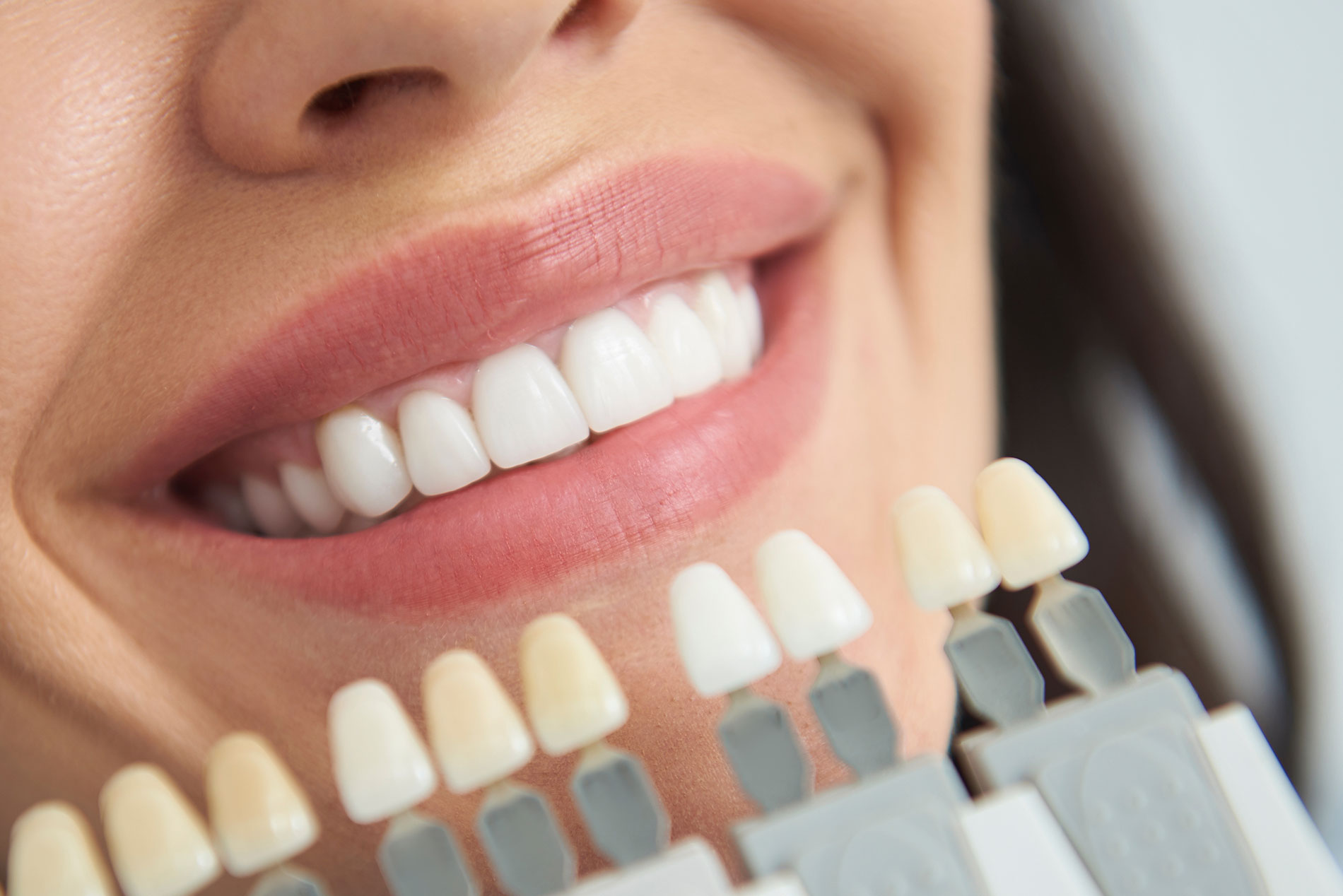
- #Cavity Treatment
- #General Dentistry
A cavity doesn’t go from nothing to pain overnight. It moves slowly, layer by layer, often without any clear warning at first. ...
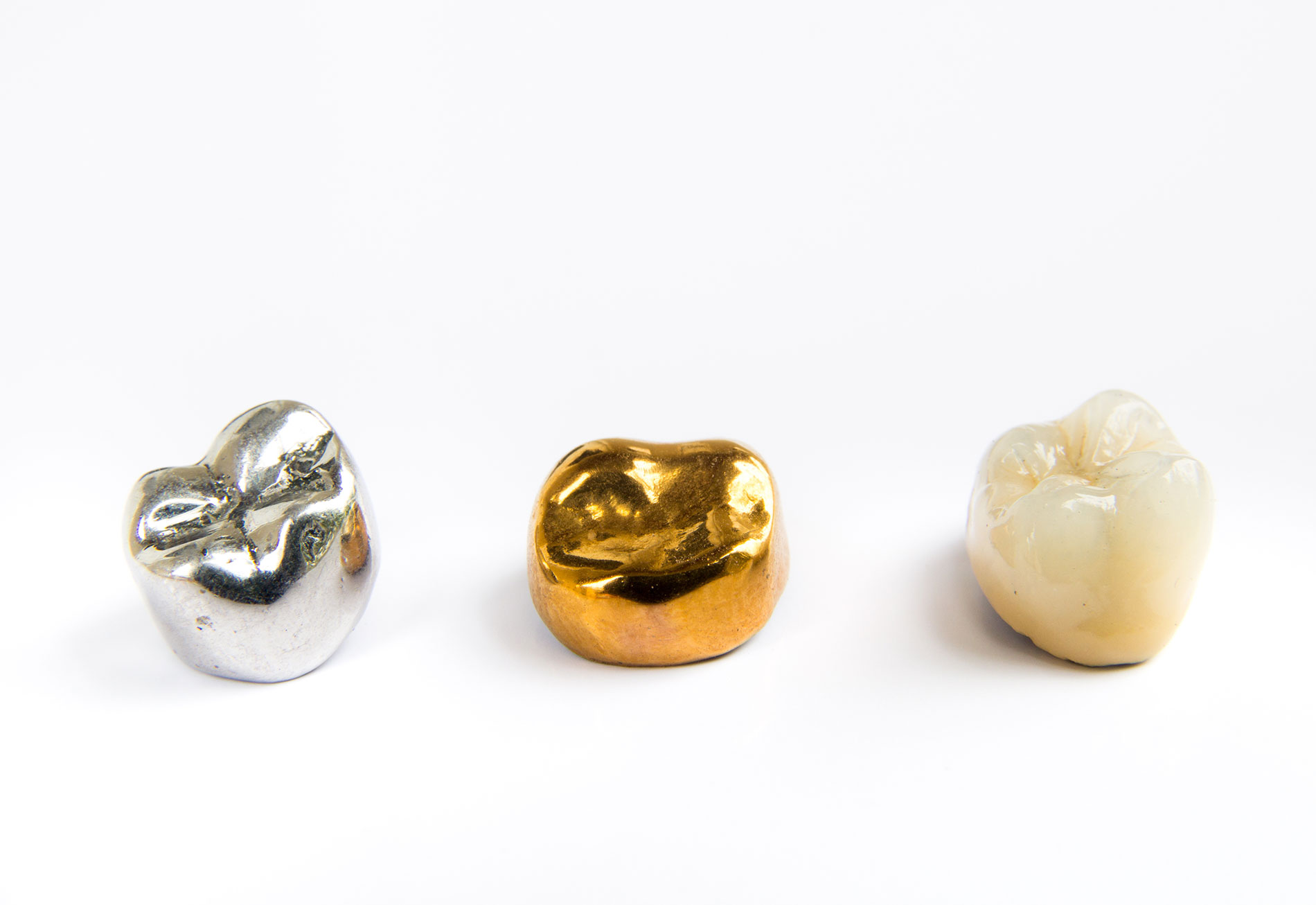
- #Dental Crowns
- #Dentistry History
A dental crown — the cap that restores and protects a damaged tooth — might feel like a modern solution, but it’s been around for ...

- #Dental Fillings
When a tooth is too damaged for a standard filling, the next step isn’t always a crown. There’s a middle option that offers more ...

Periodontitis isn’t something that shows up overnight. It develops gradually, often starting with something as simple as plaque ...

- #Dental Fillings
- #Dentistry History
Researchers have found what may be the earliest known dental filling — a piece of beeswax used to treat a cracked tooth around ...

- #Dentistry History
A trip to the dentist today looks nothing like it did thousands — or even a few hundred — years ago. Modern dentistry is built on ...