
The History of Dental Crowns
- #Dental Crowns
- #Dentistry History
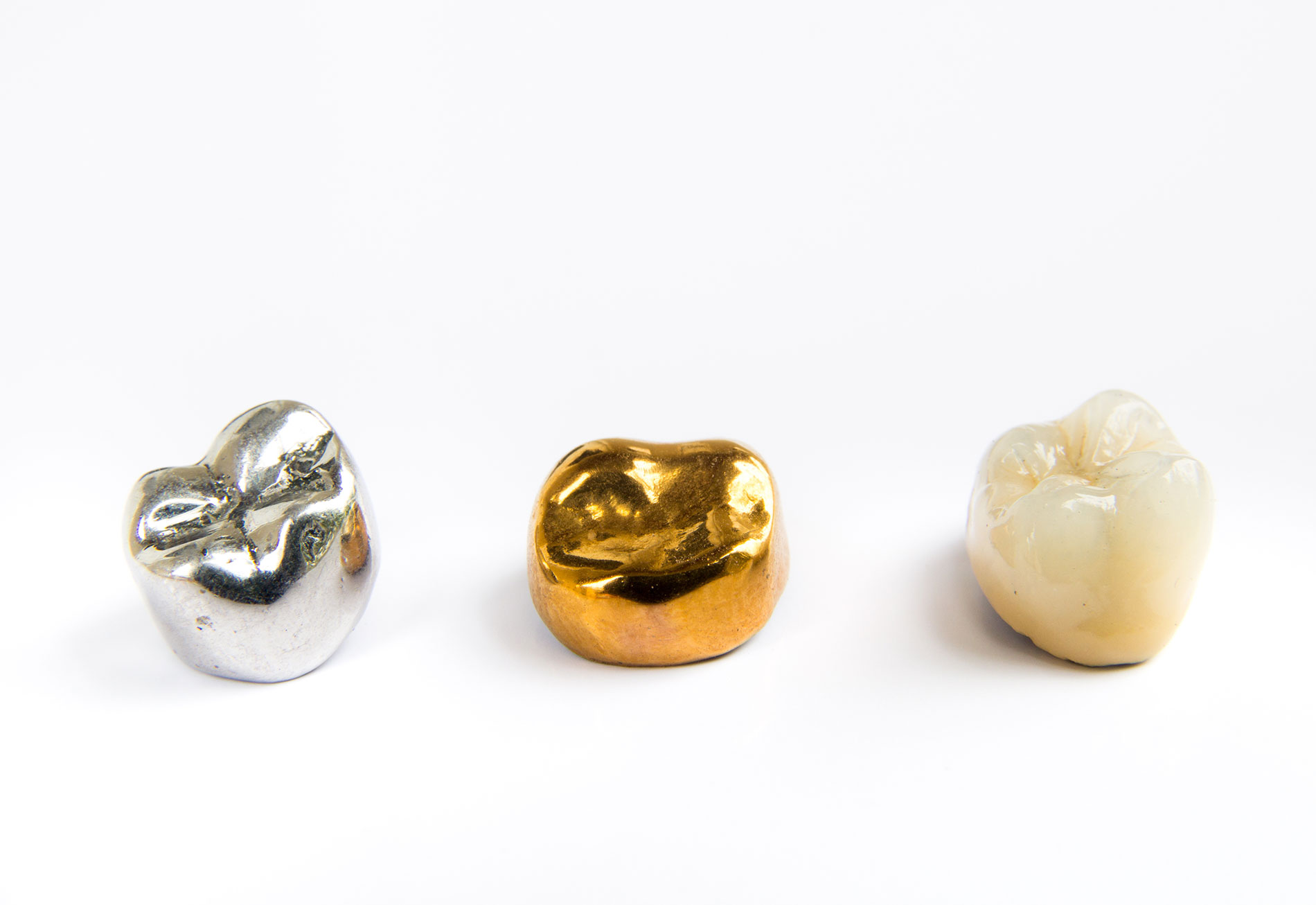
A dental crown — the cap that restores and protects a damaged tooth — might feel like a modern solution, but it’s been around for far longer than most people expect.
In fact, the idea dates back to around 200 AD, when the Etruscans were already using gold and other materials to create early crowns and bridges. Even then, the goal was the same as it is today: restore function, protect the tooth, and make it last.
From Gold to Porcelain
For centuries, metal remained the primary material. It was durable, workable, and reliable — even if it didn’t exactly blend in.
That began to change in the late 1800s, when the idea of using ceramics in dentistry first took hold. One of the earliest breakthroughs was the “jacket” crown, a porcelain crown developed by Charles H. Land.
By the early 1900s, after further refinement, porcelain crowns became more widely used. They offered something metal never could: a more natural appearance.
But they came with a trade-off. Early porcelain crowns were prone to microcracking during the cooling process, which made them less reliable over time and limited their long-term success.
Mid-Century Improvements — and Limitations
By the 1950s, companies like Corning Glass Works introduced new materials such as Dicor crowns. These were an attempt to improve both strength and aesthetics.
However, the way these crowns were cemented — often using zinc phosphate — created new challenges. Many of these restorations struggled with long-term durability and could fail under pressure.
Dentistry was clearly moving forward, but the balance between strength and appearance hadn’t been fully solved yet.
The Breakthrough Era: 1990s and Beyond
The real turning point came in the 1990s.
This is when crowns began to move away from metal bases altogether. Advances in materials and technology introduced a new generation of restorations that were both strong and natural-looking.
Technologies like CAD/CAM dentistry made it possible to design and produce crowns with high precision using digital 3D models. Materials such as glass-infused alumina, zirconia, and leucite-reinforced ceramics (often known as Empress crowns) started to redefine what a crown could be.
For the first time, dentists didn’t have to choose between strength and appearance — they could offer both.
Where We Are Today
Today’s dental crowns are a result of that long evolution.
Modern materials like zirconia and advanced ceramics allow crowns to handle everyday chewing forces while still looking natural. They’re more precise, more durable, and more predictable than anything that came before.
At the same time, the purpose hasn’t changed.
A crown still does what it did centuries ago — it protects the tooth, restores how it functions, and helps it last longer. The difference is how well we can do it now.

- #Dentistry History
A trip to the dentist today looks nothing like it did thousands — or even a few hundred — years ago. Modern dentistry is built on ...
- #Cavity Treatment
- #General Dentistry
A cavity doesn’t go from nothing to pain overnight. It moves slowly, layer by layer, often without any clear warning at first. ...

- #Dental Fillings
- #Dentistry History
Researchers have found what may be the earliest known dental filling — a piece of beeswax used to treat a cracked tooth around ...

- #Dental Fillings
When a tooth is too damaged for a standard filling, the next step isn’t always a crown. There’s a middle option that offers more ...

Periodontitis isn’t something that shows up overnight. It develops gradually, often starting with something as simple as plaque ...

- #Dentistry History
- #Dentures
Replacing missing teeth isn’t a modern idea — people have been trying to solve that problem for thousands of years. What’s changed ...