
What Is Periodontitis? Causes, Signs, and What to Watch For

Periodontitis isn’t something that shows up overnight. It develops gradually, often starting with something as simple as plaque buildup and turning into a condition that affects the gums, bone, and stability of your teeth.
At its core, periodontitis is a disease of the supporting structures around the teeth — not just the gums, but the bone and connective tissue that hold everything in place.
How Periodontitis Starts
The process usually begins with plaque — a soft film of bacteria that forms on teeth every day.
If it isn’t removed regularly, it hardens into tartar (also called calculus). This is where things start to change. Bacteria living in these deposits begin to irritate the gum tissue and weaken the connection between the teeth and the gums.
As that connection breaks down, small pockets form. These spaces allow bacteria to move deeper, where they’re harder to clean and more damaging over time.
What Happens as It Progresses
As the condition develops, the pockets around the teeth become deeper. Bacteria continue to build up below the gum line, and the body responds with inflammation.
Over time, this can lead to:
- gum recession
- exposure of the tooth root
- persistent bad breath
- an unpleasant taste in the mouth
The gums may become more fragile and bleed easily, sometimes even with light contact. In some cases, people also notice increased sensitivity while eating.
If left untreated, the damage doesn’t stop at the gums. The bone that supports the teeth begins to break down, which can eventually lead to tooth mobility and tooth loss.
Common Causes and Contributing Factors
The most common cause of periodontitis is bacterial buildup, but several factors can increase the risk or speed up the process.
Plaque and tartar buildup
The primary source of harmful bacteria
Gum and anatomical factors
Conditions like a shallow oral vestibule or tight frenulum can contribute to gum recession and make oral hygiene more difficult
Long-term irritation and poor hygiene habits
Allow bacteria to remain undisturbed and progress deeper into the tissues
Signs You Shouldn’t Ignore
Periodontitis doesn’t always cause pain, especially in the early stages. That’s what makes it easy to overlook.
Some of the more common signs include:
- gums pulling away from the teeth
- exposed tooth roots
- bleeding during brushing or eating
- persistent bad breath
- changes in how teeth feel when biting
In more advanced cases, X-rays can show a loss of bone height around the teeth — something that isn’t always visible otherwise.
This Isn’t a New Problem
Periodontal disease has been affecting people for thousands of years.
Scientists began formally studying it in the 1700s, but evidence of the condition goes much further back. One well-documented case comes from a 4,500-year-old mummy discovered in Deir el-Barsha, where researchers found clear signs of advanced periodontal disease.
In other words, this isn’t a modern issue — it’s one that has followed humans for as long as we’ve had teeth.
What This Means for You
Periodontitis doesn’t usually start with pain. It starts quietly — with small changes that are easy to ignore.
The earlier it’s addressed, the easier it is to manage and control. Once it begins to affect the bone, treatment becomes more involved.
Understanding the signs and knowing what to look for makes a real difference in how early you catch it — and how much of your natural tooth structure you’re able to preserve.
- #Dental Crowns
- #Dentistry History
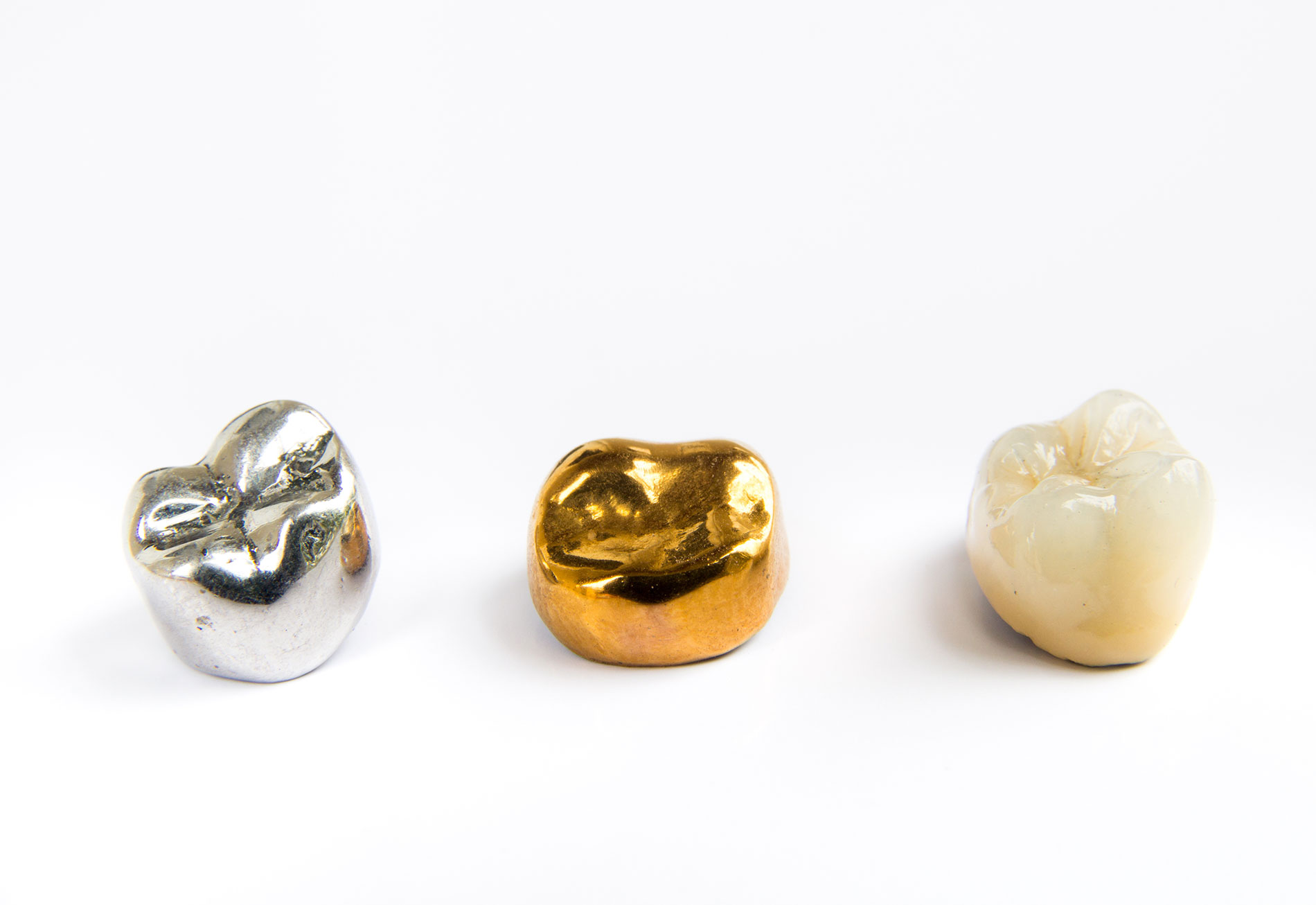
A dental crown — the cap that restores and protects a damaged tooth — might feel like a modern solution, but it’s been around for ...

- #Dental Fillings
- #Dentistry History
Researchers have found what may be the earliest known dental filling — a piece of beeswax used to treat a cracked tooth around ...

- #Dental Fillings
When a tooth is too damaged for a standard filling, the next step isn’t always a crown. There’s a middle option that offers more ...
- #Cavity Treatment
- #General Dentistry
A cavity doesn’t go from nothing to pain overnight. It moves slowly, layer by layer, often without any clear warning at first. ...

- #Dentistry History
- #Dentures
Replacing missing teeth isn’t a modern idea — people have been trying to solve that problem for thousands of years. What’s changed ...

- #Dentistry History
A trip to the dentist today looks nothing like it did thousands — or even a few hundred — years ago. Modern dentistry is built on ...