
Dental Fillings Have Been Around Longer Than You Think

- #Dental Fillings
- #Dentistry History
Researchers have found what may be the earliest known dental filling — a piece of beeswax used to treat a cracked tooth around 6,500 years ago. Discovered near Trieste, the tooth belonged to a man estimated to be between 24 and 30 years old. What makes it even more unusual is that the filling was likely placed after his death, possibly as part of a ritual or an early attempt at preservation.
Early Dentistry Wasn’t Exactly Comfortable
Evidence of dental work goes back even further. Archaeologists uncovered molars in Mehrgarh dating back 7,500 to 9,000 years, showing signs of drilling — likely done with primitive tools to relieve pain. No anesthesia, no modern equipment — just early humans trying to solve the same problem we deal with today.
From Soft Metals to Amalgam Fillings
By the 19th century, dentistry began to look more familiar. Dentists used softened metals like gold, tin, and silver to fill teeth. Not long after, dental amalgam was introduced in the West — a mixture of silver, tin, copper, and mercury that became widely used because of its strength and durability.
Why Amalgam Fillings Became Controversial
That’s when the controversy started. Early amalgam mixtures contained high levels of mercury, and concerns grew about potential health risks. Over time, the formulation and standards improved significantly. Today’s dental amalgam is tightly regulated and considered safe by major health organizations, though many patients now prefer alternative materials.
Modern Fillings Look Nothing Like the Old Ones
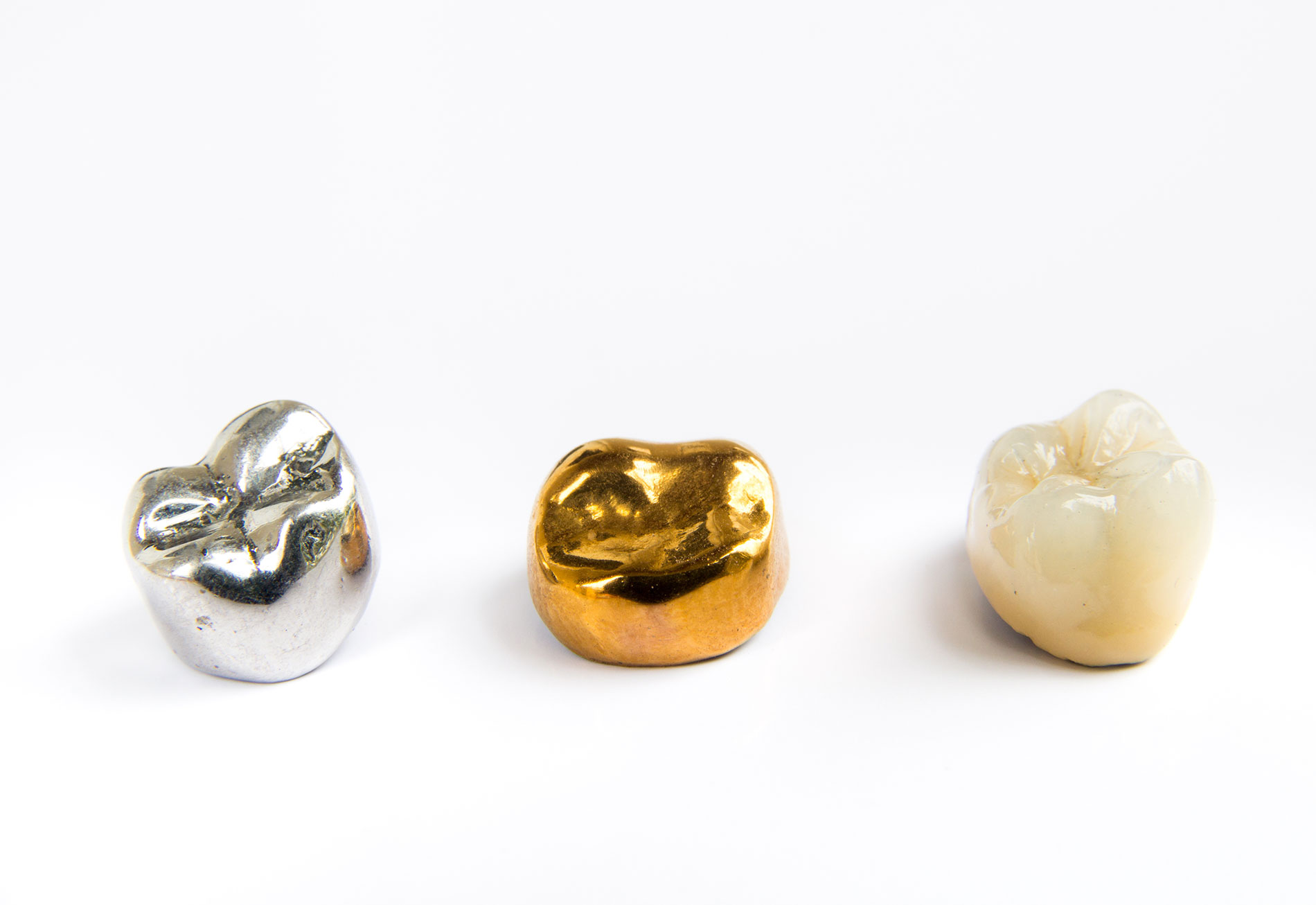
Modern fillings have come a long way. Today, dentists can restore teeth using composite resins, porcelain, gold, or ceramic materials — often matched closely to your natural enamel so the repair is barely noticeable.
Same Problem, Better Solutions
The tools have changed, the materials have evolved, but the goal hasn’t. People have been trying to fix damaged teeth for thousands of years — now we just do it with a lot more precision and a lot less guesswork.

- #Cavity Treatment
- #General Dentistry
A cavity doesn’t go from nothing to pain overnight. It moves slowly, layer by layer, often without any clear warning at first. ...

- #Dental Fillings
When a tooth is too damaged for a standard filling, the next step isn’t always a crown. There’s a middle option that offers more ...
- #Dental Crowns
- #Dentistry History
A dental crown — the cap that restores and protects a damaged tooth — might feel like a modern solution, but it’s been around for ...

- #Dentistry History
- #Dentures
Replacing missing teeth isn’t a modern idea — people have been trying to solve that problem for thousands of years. What’s changed ...

- #Dentistry History
A trip to the dentist today looks nothing like it did thousands — or even a few hundred — years ago. Modern dentistry is built on ...

Periodontitis isn’t something that shows up overnight. It develops gradually, often starting with something as simple as plaque ...